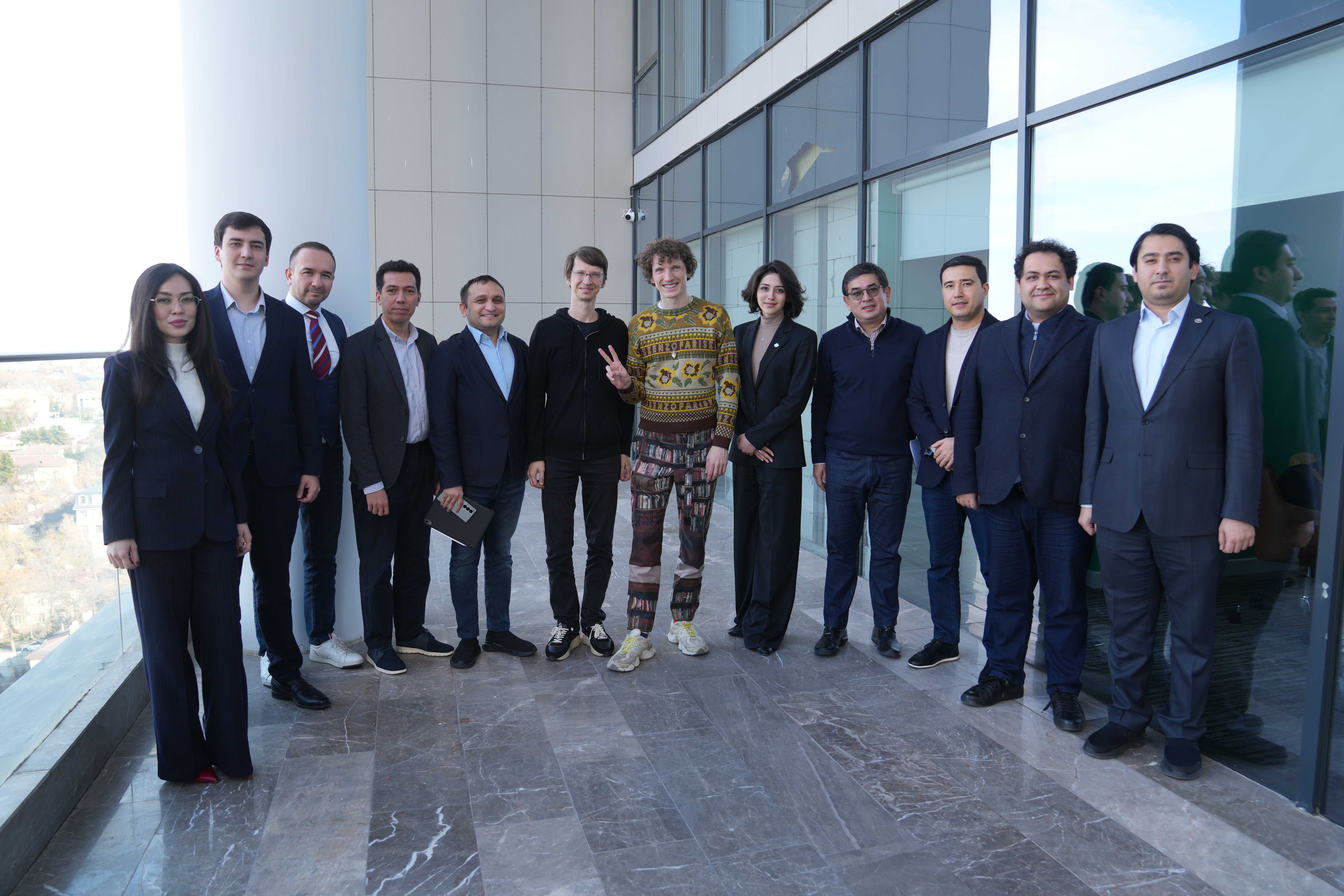
On 6 December, the founders of the Libermans Co holding, David and Daniil Liberman, arrived in Uzbekistan on a working visit. The entrepreneurs are widely recognized in the international technology community for their developments in artificial intelligence, the optimization of complex digital systems, and the creation of products for global markets.
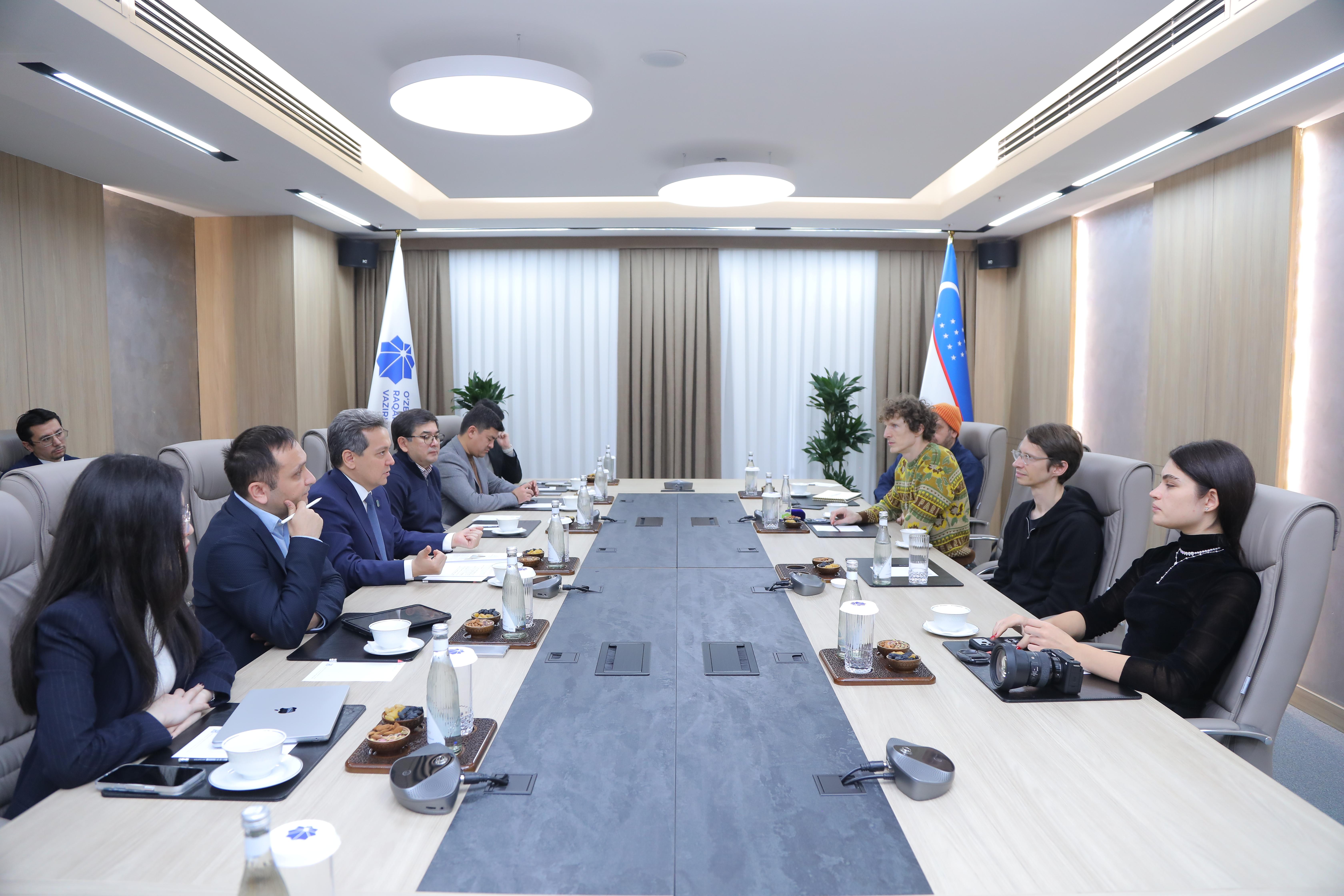
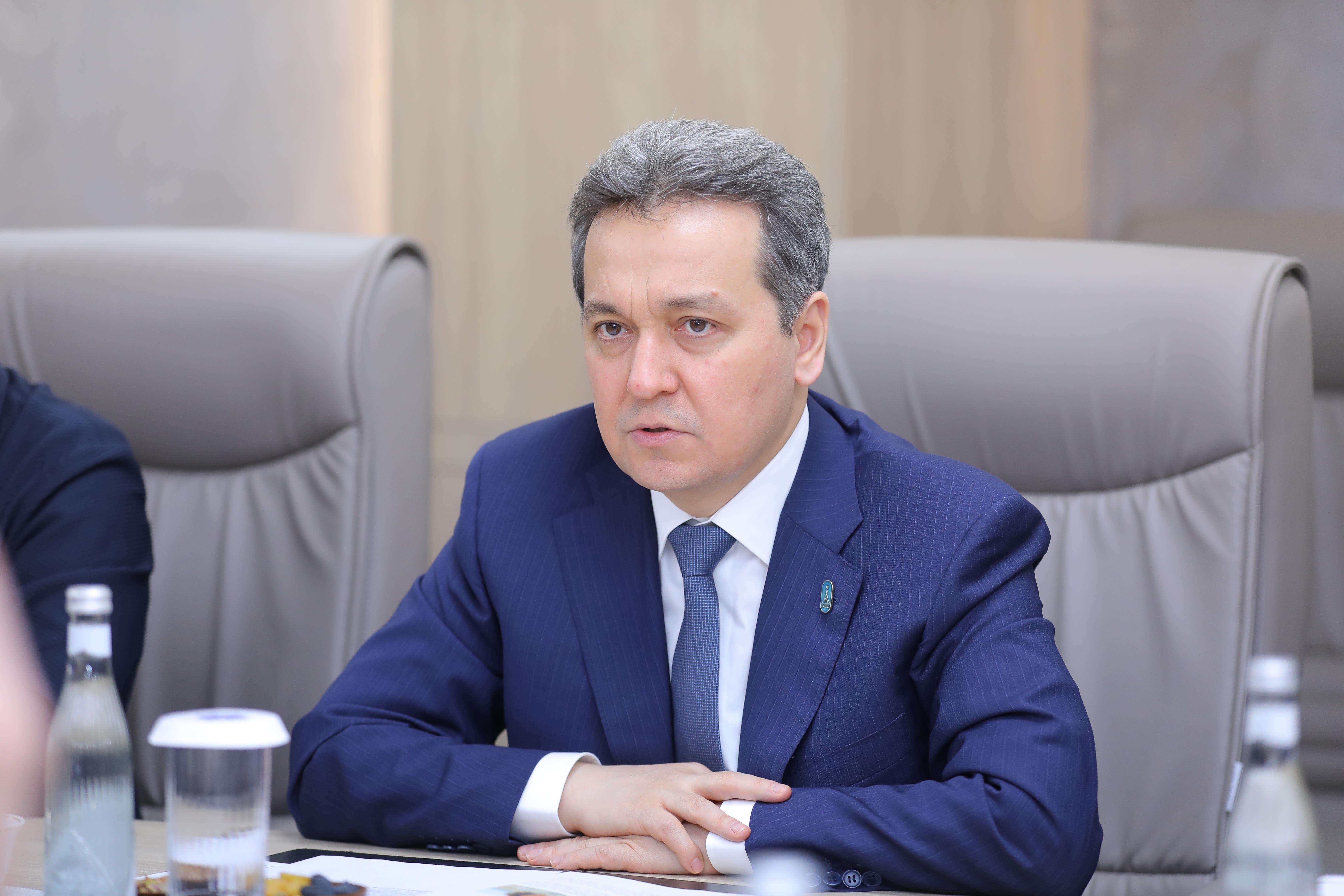
In Tashkent, they met with the Minister of Digital Technologies Sherzod Shermatov, Chairman of the Supervisory Board of IT Park Uzbekistan Farkhod Ibragimov, CEO of IT Park Uzbekistan Abdulakhad Kuchkarov, as well as the heads of other key institutions within the country’s digital ecosystem. The guests toured the IT Park complex, were introduced to the data center infrastructure, and reviewed solutions presented by the national IT integrator at the UzInfocom showroom.
Founded in 2021, Libermans Co was established as a company of a new model: future economic value — including revenue, intellectual property, and new projects — is attributed to the company rather than to individual founders. This structure enabled investors to support not a single product, but an entire platform built on the entrepreneurial expertise of its creators. Libermans Co is currently valued at $400 million, reflecting both the potential of its ongoing initiatives and the confidence of leading representatives of the global venture capital market.
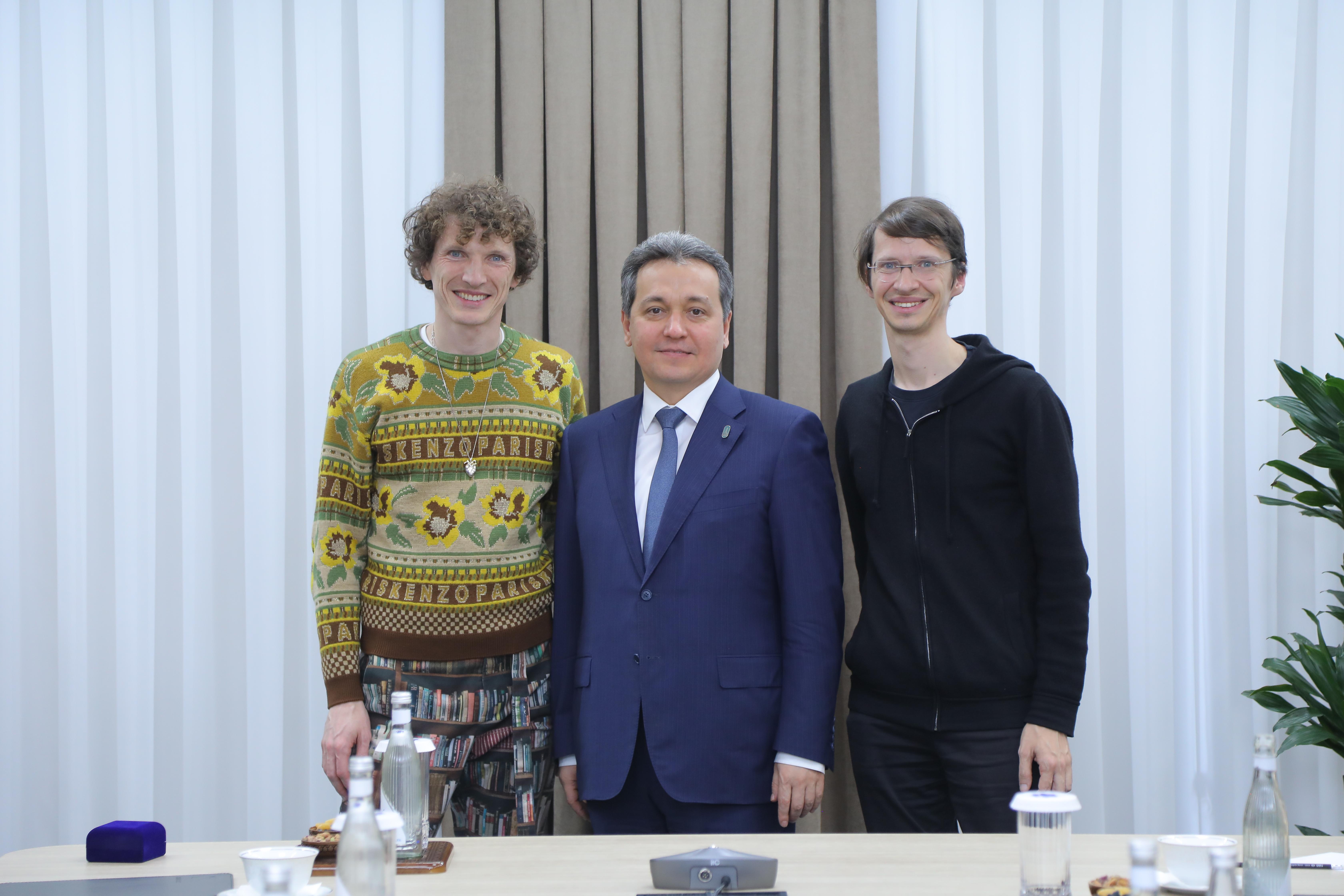
The Liberman brothers possess extensive experience in the global technology industry. They have created numerous innovative solutions, including the Product Science platform, which optimizes mobile application performance and strengthens digital infrastructure. Another important direction of their work is Humanism — a tool for investing in people and their competencies as a strategic resource for the future economy.
Previously, David and Daniil co-founded several projects, some of which were integrated into major technology companies, including the acquisition of their Kernel AR product by Snapchat. At Snap, the brothers held senior positions and contributed to the development of advanced augmented reality and emerging technology initiatives, strengthening their expertise in scaling digital products for global markets.
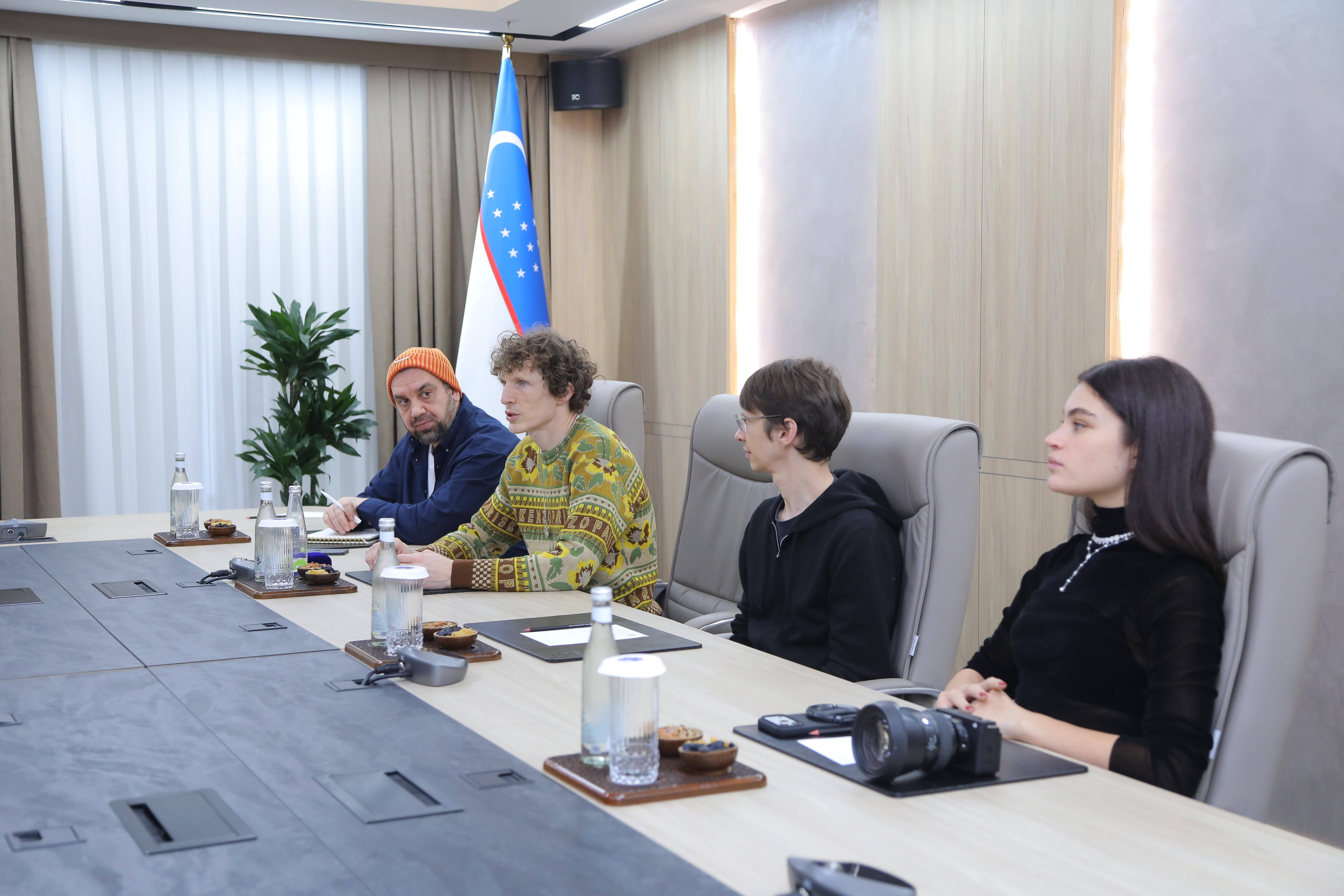
Today, the flagship project of Libermans Co is Gonka, a decentralized high-performance computing network for artificial intelligence. Unlike traditional centralized cloud systems, Gonka minimizes structural resource losses and ensures maximum efficiency in tasks related to training and deploying AI models. Amid global competition for computing power and the limitations of classical infrastructure, the project has the potential to become one of the most significant next-generation technological solutions.
During the meeting, the guests were introduced to Uzbekistan’s strategic priorities for digital transformation, including plans to expand national computing capabilities, develop the IT ecosystem, and create an enabling regulatory environment for international technology companies.
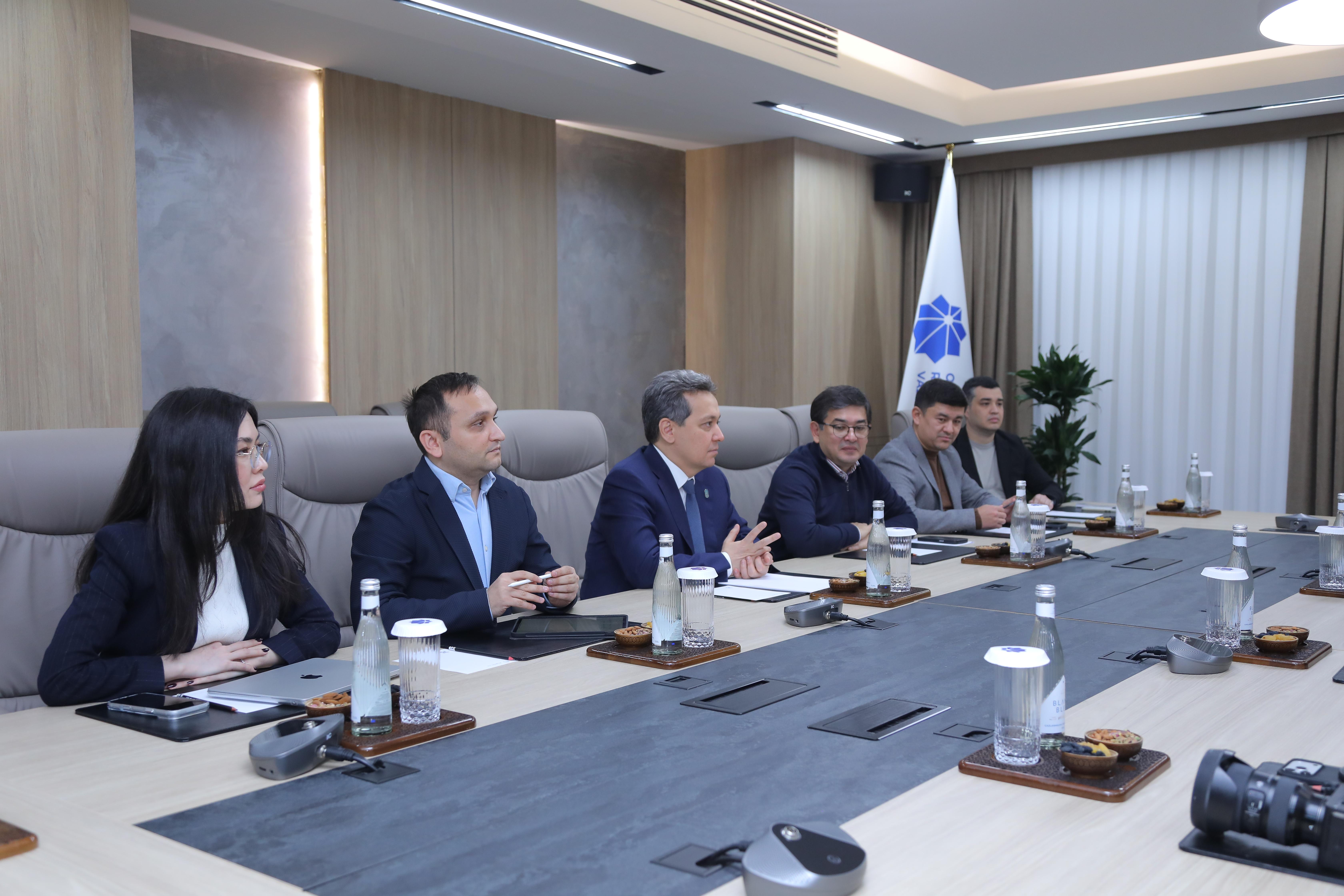
Particular attention was given to the rapid growth of the IT sector. According to forecasts, Uzbekistan’s IT services exports will exceed $1 billion by 2025, with expectations of reaching $5 billion by 2030 and forming a pool of 300,000 IT specialists. This progress is accompanied by the widening geography of exports: Uzbek IT companies are increasingly active in North America, Europe, the United Kingdom, the CIS, and APAC markets.
The Liberman brothers highlighted the comprehensive efforts Uzbekistan is undertaking at the state level to develop the IT sector. They emphasized the importance of systemic reforms in digital legislation aimed at aligning national regulations with international standards. In their view, such steps form the foundation for sustainable growth and deeper cooperation with global technology companies. In this context, they underscored the significance of the Enterprise Uzbekistan initiative, which is expected to become a central mechanism for collaboration with international partners, ensuring transparency, predictability, and strategic integration into the global digital economy.
The visitors also noted the country’s competitive advantages: a special regime for IT Park members with zero corporate income tax, zero social tax, and zero VAT on imported services, along with free currency operations and simplified procedures for hiring foreign IT professionals. This model positions Uzbekistan as one of the most attractive countries for hosting infrastructure projects in artificial intelligence and cloud computing.
Another promising area of discussion concerned the development of data centers in the Republic of Karakalpakstan. The parties explored the feasibility of implementing large-scale infrastructure projects in response to growing global demand for computing capacity required to train and scale AI models.
Uzbekistan possesses several competitive advantages for establishing a regional computing hub: access to energy resources, the ability to design energy-efficient data centers, advantageous logistics, and favorable legislation.
The Liberman brothers expressed their readiness to consider integrating Uzbekistan into Gonka, the decentralized computing network for AI. Discussions included opportunities for connecting national infrastructure to Gonka’s global distributed architecture, which could position Uzbekistan as one of the network’s key nodes. Such participation may strengthen the country’s role in the international AI ecosystem and provide access to new technological capabilities and markets.
During the meeting, the parties discussed the importance of integrating Uzbek developers into global engineering ecosystems and fostering a culture of open technologies. The Liberman brothers emphasized that active participation in open-source projects, regular code publication on GitHub, and the formation of professional communities around open solutions play a crucial role in developing the competencies of young specialists. This approach not only accelerates technical expertise but also enhances Uzbekistan’s international visibility as a country contributing to the global technological agenda.
The discussion also touched on the need to expand scientific research and increase the number of publications on artificial intelligence authored by local engineers and researchers. According to the Libermans, building a strong research culture and engaging in international scientific dialogue create the foundation for new technological teams to emerge and strengthen the country’s position on the global map of AI innovation.
The parties also discussed the potential consolidation of Central Asian countries to jointly advance AI technologies. Uzbekistan has the capacity to serve as a regional coordinator, offering a platform for international projects, research centers, and specialized events.
Additionally, the idea of hosting a major international event — Decentralized AI — in Tashkent in 2026 was explored. Such an event could attract leading global experts and investors, further strengthening Uzbekistan’s position as a promising digital hub.
The visit of David and Daniil Liberman represents a significant step in advancing international technological cooperation. The directions outlined — from integrating Uzbekistan into a decentralized computing network to AI workforce development and the creation of distributed computing architectures — lay the groundwork for long-term, systemic projects.
Uzbekistan is demonstrating its readiness to become one of the key regional platforms for the development of artificial intelligence technologies. The country possesses a rare combination of strong demographics, flexible regulation, dynamic IT infrastructure, and political commitment to digital transformation.
The interest expressed by Libermans Co reaffirms the high potential of Uzbekistan and opens new opportunities for strengthening its role in the global digital economy.
16 September 2026
16 September 2026
16 September 2026
16 September 2026